


Iran seen unlikely to reopen Strait of Hormuz soon
 Rabbia Zafar
|
2 weeks ago
Rabbia Zafar
|
2 weeks ago
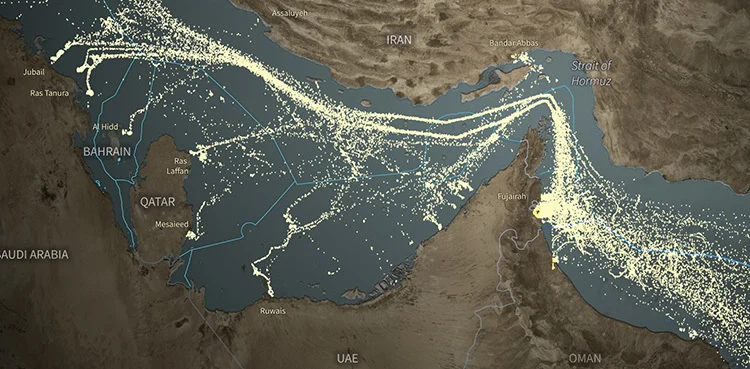
Recent US intelligence assessments suggest that Iran is unlikely to reopen the strategically vital Strait of Hormuz in the near term, as it continues to use control of the waterway as leverage against the United States.
According to sources familiar with the reports, Tehran views its influence over the strait which carries nearly one-fifth of global oil trade as a key bargaining tool amid ongoing tensions and conflict. By restricting movement, Iran is believed to be maintaining pressure on global energy markets, contributing to rising oil prices and supply concerns.
US President Donald Trump has publicly downplayed the difficulty of reopening the passage, suggesting that US forces could restore access if needed. However, analysts warn that any military attempt to secure the waterway could escalate into a broader and prolonged conflict.
Legal Experts Call US and Israeli Strikes on Iran War Crimes
Experts argue that Iran’s position has been strengthened by its demonstrated ability to disrupt maritime traffic. The Islamic Revolutionary Guard Corps has reportedly used tactics such as drone operations, naval mines, and threats to commercial vessels, making transit through the strait increasingly risky and costly.
The situation has already had global repercussions, with energy prices climbing and fuel shortages reported in countries dependent on Gulf exports. Analysts caution that even limited disruptions in the narrow shipping lanes can significantly impact international trade.
Security experts also note that the geography of the strait only about 21 miles wide at its narrowest point makes it particularly vulnerable to targeted attacks, complicating any potential military intervention.
Officials and analysts believe Iran is unlikely to relinquish this leverage easily, especially as it may seek to use control of the waterway as a negotiating tool in future diplomatic efforts or to secure economic advantages during post-conflict recovery.



22 minutes ago
53 minutes ago
2 hours ago
2 hours ago
3 hours ago
4 hours ago
- The United Nations has warned of a global food crisis due to the closure of the Strait of Hormuz. Officials…
- U.S. President Donald Trump claimed that Iran has agreed not to develop nuclear weapons. He made the statement while speaking…
- U.S. President Donald Trump said that a deal with Iran is close and suggested he could visit Islamabad if the…
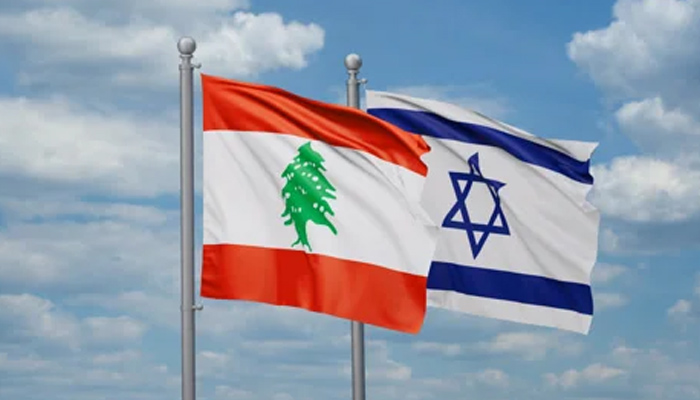
- U.S. President Donald Trump announced a 10-day ceasefire between Lebanon and Israel after high-level talks. He said both sides agreed…
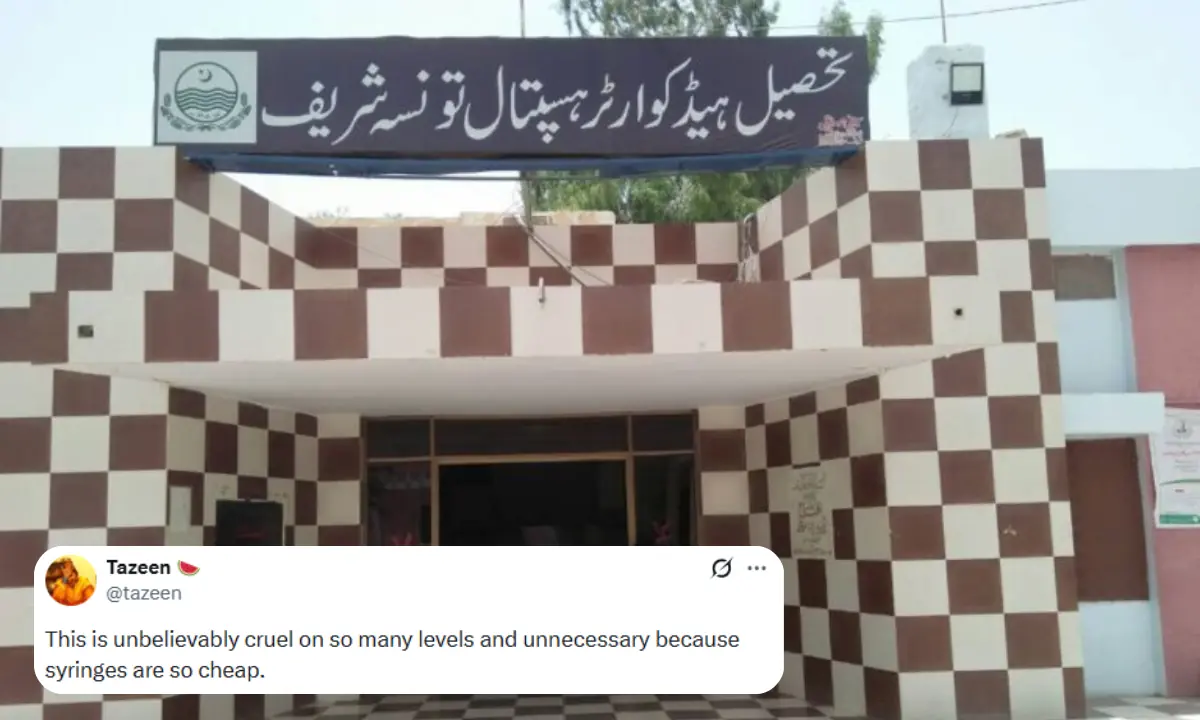
 A shocking report by BBC has triggered nationwide outrage in Pakistan after alleging severe medical malpractice at a Tehsil Headquarter…
 Pakistan’s second National Anti-Polio Campaign of 2026 is continuing across the country with full momentum, as health workers aim to…
 A new case of monkeypox has been reported in Karachi, raising fresh concerns among health authorities in the city. According…
 Olivia Munn has spoken about her experience battling breast cancer, highlighting the crucial role her husband, John Mulaney, played throughout…





- Life with Shah Rukh Khan has been revealed by his…22 minutes ago
- Pakistan qualified for the ITF Asia Under-12 Tennis Tournament final…53 minutes ago
- Islamabad United beat Karachi Kings by eight wickets easily in…2 hours ago
- The United Nations has warned of a global food crisis…2 hours ago